What a Decade of Estate Planning Taught Me About Wills, Probate, and
What a Decade of Estate Planning Taught Me About Wills, Probate, and Why Singapore Families Keep Getting It Wrong Let me save you ten years and a fair amount of money. Every few months, a friend — usu...

What a Decade of Estate Planning Taught Me About Wills, Probate, and Why Singapore Families Keep Getting It Wrong
Let me save you ten years and a fair amount of money. Every few months, a friend — usually someone who has built something worthwhile — calls me in a panic because their parent passed away and nobody can access the bank accounts. The will is somewhere. Maybe it's even a proper one. But nobody quite knows what comes next. The bank wants a Grant of Probate. The HDB officer wants it too. The insurance company has its own list of requirements. And everyone at the dinner table is grieving, exhausted, and arguing about who gets what. I have watched this scene play out in different cities across the region — Singapore, KL, Hong Kong — and the plot is almost always the same. The only variable is how avoidable it was.
Photo by Taylen Lundequam on Pexels
The uncomfortable truth is that most people in our position — professionals, business owners, people who have accumulated assets across more than one city — treat estate planning like checking the tyre pressure on a rental car. We know we should do it. We keep putting it off. And then something happens and we wish we had not.
The Basics First: What Wills and Probate Lawyers Actually Do
Before I get into the insider stuff, let me lay out what a probate lawyer in Singapore actually handles, because the search results are a mess and most people do not know the difference between a will, a Grant of Probate, and Letters of Administration — and that gap in knowledge costs real money.
In Singapore, a wills and probate lawyer handles two distinct phases. The first is the pre-death work: drafting your will, setting up a Lasting Power of Attorney (LPA), and making sure your documents meet the formal requirements of the Wills Act. That means the will must be in writing, signed by you, and witnessed by two adults who are not beneficiaries. Get that wrong and your carefully considered distribution plan could be challenged in court.
The second phase is what happens after someone dies. If there is a valid will, the executor applies to the Family Justice Courts for a Grant of Probate, which is the court document that gives them the legal authority to collect assets, settle debts, and distribute what is left. If there is no valid will — or no will at all — the next-of-kin applies for Letters of Administration instead, and the estate is distributed according to the Intestate Succession Act. The difference between the two routes matters: one is generally faster and less expensive, but both require legal process.
One thing I see confuse people constantly: Singapore does not have inheritance tax. That is a genuine advantage of doing your estate planning here. But that does not mean the estate is free to settle. There are still filing obligations, legal fees, court costs, and executor duties that need to be properly handled. The Public Trustee of Singapore exists as a lower-cost option for simple, small estates, but for anything with property, business interests, or family complications, you want a qualified lawyer guiding the process.
Cross-Border Complexity: Why Singapore and Hong Kong Families Face a Tougher Version of This
Here is what the generic articles do not tell you. If your assets span Singapore and Hong Kong — or if you have holdings in the UK, mainland China, or Australia — the stakes change completely. Each jurisdiction has its own succession rules. The UK has inheritance tax. Japan has inheritance tax that can catch foreign-domiciled heirs flat-footed. The rules in Hong Kong differ from Singapore in ways that trip up even experienced advisers.
For families with connections to multiple ASEAN markets, this is the level of complexity where a general-purpose lawyer stops being enough. You need a firm with a dedicated private client and family office practice, with access to a global network that can coordinate across jurisdictions without passing your matter around like a hot potato. That is why Singapore-based firms with Multilaw membership — networks that connect independent law firms across ASEAN and beyond — have become the default choice for families who cannot afford the wrong advice. Quahe Woo & Palmer LLC, for instance, has a dedicated private client and family office practice that handles exactly this kind of multi-jurisdictional planning, coordinating through their offices in Singapore and Hong Kong.
If you are searching for a "cross border lawyer Singapore" or someone who understands how a Singapore will interacts with a Hong Kong estate, that is the calibre of practice you are looking for. Do not settle for a general conveyancing lawyer who handles property transactions on the side.
The Documents Most People Forget — And Why They Cost More Than the Will
Here is the part that separates people who have done a proper job from people who have done a partial one. Most families know about the will. What they have not thought about are three other documents that work alongside it.
The Lasting Power of Attorney. This is not a document for elderly people. It is a document for any adult who could, through accident or illness, lose the ability to make financial or healthcare decisions. The Power of Attorney Act in Singapore governs LPAs, and there are two types: one for personal welfare and one for property and financial affairs. Without one, your family may need to go to court to get a deputyship order if you lose capacity — an expensive, slow, public process that is entirely avoidable.
The Advance Medical Directive. This is the document where you record your refusal of certain life-sustaining treatments if you are terminally ill and unable to express your own wishes. In Singapore it is registered with the Ministry of Health. Not pleasant to think about. But families who have had to make those decisions in an ICU without clear guidance will tell you it is worth having.
Trust structures for high-value assets. If your estate includes business interests, investment properties, or assets you want to protect from estate duty exposure in other jurisdictions, a bare will is rarely enough. Singapore trust law is well-developed, and firms with strong private wealth management practices can structure arrangements that reduce risk and simplify what happens to assets after you are gone.
The common thread in all of this: these are not one-time decisions. A good estate plan gets reviewed when your life changes — when you have a child, buy property in another country, start a business, or relocate your family. If you have not reviewed your will in three years, the odds are something has changed that needs to be reflected.
Choosing a Lawyer: What Actually Matters
People often ask me how to find a good will attorney near me, or whether a large firm is better than a boutique. Having watched this space for a while, here is what I have learned.
For straightforward will drafting — a citizen with a domestic estate, clear beneficiaries, no cross-border complications — almost any qualified Singapore law firm with a probate practice will do the job adequately. Look for a lawyer who specialises in wills and probate specifically, not a general litigator doing estate work between court dates. The Legal 500 Asia-Pacific and Chambers Asia-Pacific rankings are reasonable proxies for quality if you do not have a personal recommendation.
For anything more complex — contested estates, multi-jurisdictional assets, family business succession, high-net-worth structuring — the calculus changes. You want depth of experience in private client work. Ask directly about their experience with your specific situation. A good lawyer will tell you if something is outside their wheelhouse rather than taking the matter and figuring it out as they go. QWP's wills, trusts and probate practice and their private client and family office team are worth a conversation if you are in that category.
The other thing worth knowing: initial consultations at firms like QWP are typically charged at a transparent fixed rate, disclosed before you book. That transparency is not universal in the industry. Ask what the engagement letter covers before you sign anything — professional fees, disbursements, billing terms, and your right to terminate should all be spelled out clearly.
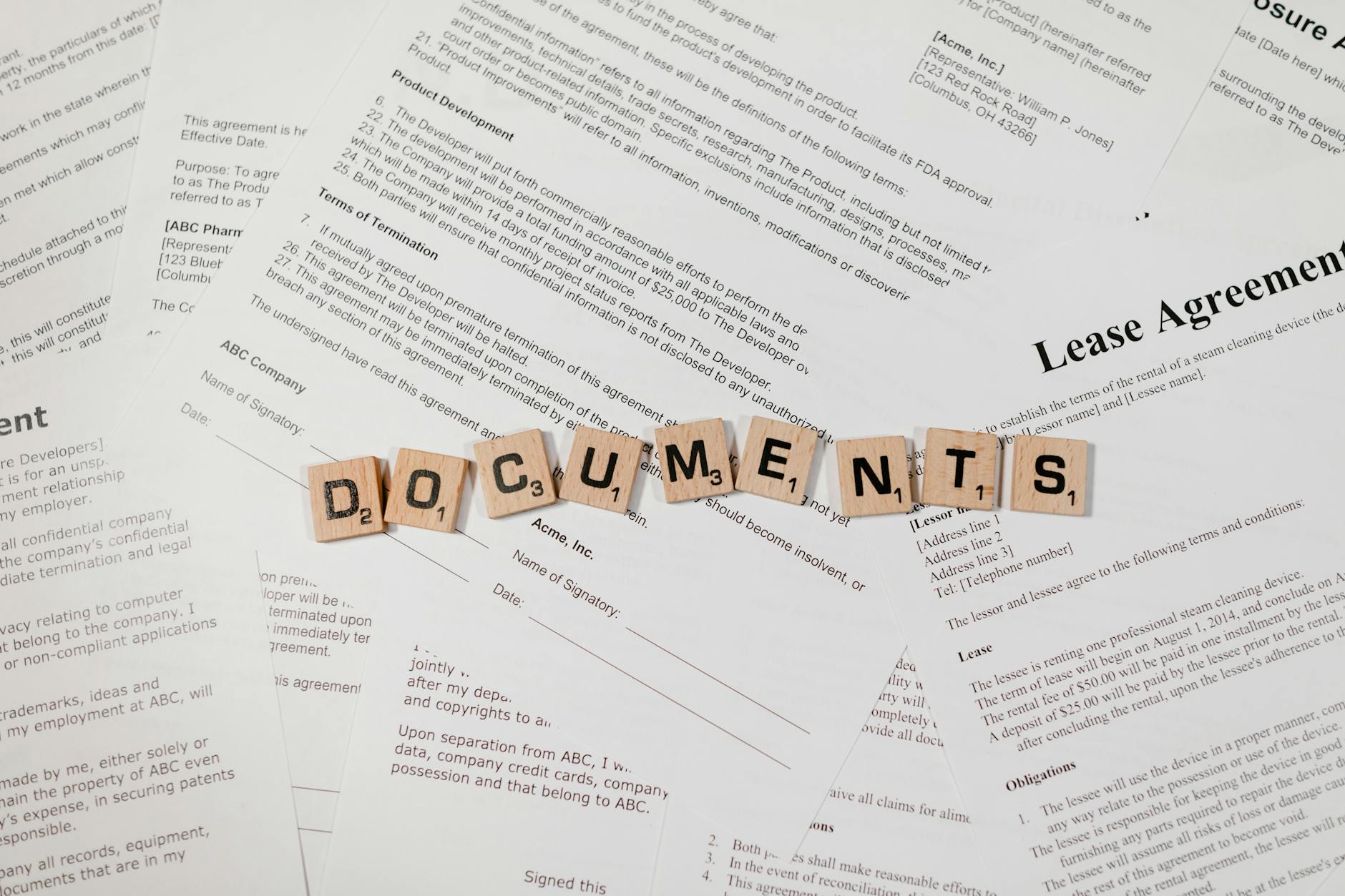
Photo by RDNE Stock project on Pexels
FAQ: What People Actually Ask About Wills and Probate
How much does a probate lawyer in Singapore cost?
Most firms offer hourly rates for complex work and fixed fees for predictable matters like uncontested will drafting and simple estate administration. After your initial consultation you should receive a written fee estimate covering professional fees and likely disbursements. There should be no surprises.
How long does the probate process take?
For straightforward estates — valid will, cooperative beneficiaries, no real property complications — the Grant of Probate can issue in roughly six to eight months. Complex estates with disputes, multiple properties, or cross-border elements can take considerably longer. Build that timeline into your expectations.
Does a will override CPF nominations and insurance nominees?
No. CPF savings and insurance payouts pass directly to your nominated beneficiaries and do not form part of your estate for distribution under your will. This catches a lot of people off guard. Make sure your CPF nominations and insurance beneficiary designations are consistent with your overall estate plan.
Can I write my own will?
You can. Singapore law allows handwritten wills. But the formal requirements are strict, and informal documents frequently fail in ways that cost more to fix than proper drafting would have. For anything more than a very simple estate, professional drafting is worth the investment.
What if someone contests the will?
Contested probate is a distinct area of litigation. If there is a realistic risk of family dispute — and it is more common than people think — you need a lawyer who has actually handled contested estates, not one who will figure it out when the time comes.
Estate planning is not a document. It is a discipline. The people who handle it best are the ones who started early, updated regularly, and found a lawyer they actually trust — not just the cheapest option on a search result page. If you have been putting this off, the best time to start was five years ago. The second-best time is now.
Thank you for reading.
Quahe Woo & Palmer LLC · Editorial Archive · No. 01